
Entertainment
AMAA 2023 Celebrates Excellence in African Cinema


The 19th edition of the Africa Movie Academy Awards took place on Oct. 29, at the prestigious Balmoral Convention Centre in Ikeja, Lagos. This grand event gathered filmmakers from across the globe to celebrate the outstanding achievements in African cinema.
In a star-studded ceremony, Nancy Isime, Rahama Sadau, and Richard Ato Turkson hosted the celebrated awards gala, setting the stage for a night filled with excitement and glamour.

C.J. ‘Fiery’ Obasi’s cinematic masterpiece, “Mami Wata,” stood out with an impressive 12 nominations. The film received accolades in several categories, including Best Film in an African Language, Best Cinematography, Best Sound, Best Screenplay, and Best Director. The nominations highlighted the exceptional talent and creativity behind “Mami Wata.”
Another shining star of the evening was Tobi Bakre, who garnered attention and acclaim for his performance in “Brotherhood.” Bakre’s compelling portrayal earned him the Best Actor in a Leading Role award, cementing his place as one of the industry’s rising stars.
Nse Ikpe Etim, a seasoned actress known for her versatility, received the Best Actress in a Leading Role award for her outstanding performance in “4-4-44.” Her talent and dedication were evident as she brought her character to life on the silver screen, leaving an impression on the audience.
Nse Ikpe-Etim – Best Actress In a Leading Role
Additionally, the award-winning film “Anikulapo,” directed by renowned Nigerian producer and director Kunle Afolayan, also made its mark. The movie clinched two significant categories, Best Achievement in Production Design and the Ousmane Sembene award for Best Film in an African Language. Afolayan’s work demonstrated his commitment to storytelling and the visual arts, impressing both critics and the audience.
The Africa Movie Academy Awards celebrated not only established talents but also emerging voices in African cinema. It was a night of diversity, recognizing filmmakers from different African countries and the African diaspora who contributed to the industry’s growth and evolution.
See the full list of nominees and winners at the AMAA 2023 awards below.
Efere Ozaka Award For Best Short Film
Lions (Ethiopia) – Winner
Riel (Namibia)
Enmity Djin (Mauritania)
Jubril Malaifia Award For Best Animation
Lost (Uganda)
Azania Rises (South Africa)
Jabari (Ghana) – Winner
Bashorum Gaa (Nigeria)
Best Documentary
Africa Cradle of Humanity and Modern Civilization (Senegal/Canada)
Nightlife in Lasgidi (Nigeria)
Maayo Wonaa Keerol – The River is not a Border (Senegal)
Ifine (Beauty) (Sierra Leone)
Le Spectre de Boko Haram (Cameroon) – Winner
Ousmane Sembene Award For Best Film In An African Language
Pusha Pressa Phanda (South Africa)
Anikulapo (Nigeria) – Winner
The Kitera Chronicle (Uganda)
Four Walls (South Africa)
Mami Wata (Nigeria)
Michael Anyiam Osigwe Award For Best Film By An African-Born Director Living Abroad
Talia’s Journey (Senegal/Belgium) – Christophe Rolin
Golden Stripes (Nigeria/UK) – Peace Osigbe
KOFA (Nigeria/Canada) – Jude Idada – Winner
Apoline Traore – Best Director
Best Diaspora Short Film
We Were Meant To (United States) – directed by Tari Wariebi
The Ballad of Olive Morris (United Kingdom) – directed by Alex Kayode-Kay
Fifty-Four Days (United Kingdom) – directed by Cat White and Phoebe Torrance
Raw Materials (Jamaica) – Directed by Sosiessia Nixon – Winner
Best Diaspora Documentary
Sound of the Police (United States) – Directed by Stanley Nelson – Winner
Fantastico Negrito – Have You Lost Your Mind Yet (United States) – directed by Yvan Iturriaga and Francisco Nuñez
Black Rio (Brazil) – directed by Fernando Sousa and Gabriel Barbosa
Best Diaspora Narrative Feature
Cheese (Trinidad & Tobago) – directed by Damian Marcano
Our Father, The Devil (United States) – Directed by Ellie Foumbi – Winner
The Pastor and the Revolutionary (Brazil) – directed by José Eduardo Belmonte
Best Achievement in Production Design
Pat Nebo – Anikulapo – Nigeria – Winner
Eve Martin – Omen – DRC
Sira – Burkina Faso
Antoine Nshimiyimana – Fight Like a Girl – Rwanda
Chantel Carter – Gereza – South Africa
Rokhaya Niang – Best Actress In a Supporting Role
Best Achievement in Costume Design
Bunmi Demilola Fashina – Mami Wata – Nigeria
Toyin Bifarin Ogundeji – Anikulapo – Nigeria
Millicent Jack – 4-4-44 (Four Four Forty-Four) – Nigeria
Djibril Drame – Xalé – Senegal – Winner
Elkehoste and Baloji Omen – DRC
Sidi Ouedraogo Sira – Burkina Faso
Best Achievement in Make-Up
Campell Precious Arebamen – Mami Wata – Nigeria – Winner
Hakeem Effect and Toyin Bifarin Ogundeji – Anikulapo – Nigeria
Lila Vander Elst – Omen – DRC
Our Lady of the Chinese Shop – Angola
Omowunmi Okungbure – Gangs of Lagos – Nigeria
Best Achievement in Soundtrack
Fight Like a Girl – Rwanda – Winner
L’Axe Lourd (The Highway) – Cameroon
Gereza – South Africa
Omen – DRC
Obinna Arua – 4-4-44 (Four Four Forty-Four) – Nigeria
Best Achievement in Visual Effects
Andrej Gregori, Voranc Kumar, Ziga Radulji -Omen – DRC
Alexandre Dachkevitch – Mami Wata – Nigeria
Josh Borrill – The Trade – Nigeria
Emmanuel Bassey – Gangs of Lagos – Nigeria – Winner
Baloji – First Debut Feature By A Director
Best Achievement in Sound
Juliana Oswald – Our Lady of the Chinese Shop – Angola
Vianney Aube – Sira – Burkina Faso – Winner
Erik Griekspoor – Omen – DRC
Samy Bardet – Mami Wata – Nigeria
Michel Tsagli – Xalé – Senegal
Best Achievement in Cinematography
Lilis Soares – Mami Wata – Nigeria – Winner
Joachim Philippe – Omen – DRC
Richard Henkels – Fight Like a Girl – Rwanda
Thomas Wilski – Talia’s Journey – Senegal/Belgium
Eduardo Kropotkine – Our Lady of the Chinese Shop – Angola
Best Achievement in Editing
Nathan Delannoy – Mami Wata – Nigeria
Bertrand Conard – Omen – DRC – Winner
Sylvie Gadner – Sira – Burkina Faso
Layla Swart – Gereza
Matthew Leutwyler – Fight Like a Girl
Best Achievement in Screenplay
C.J. ‘Fiery’ Obasi – Mami Wata – Nigeria
Ufuoma MeHHri – 4-4-44 (Four Four Forty-Four) – Nigeria
Moussa Sene Absa, Pierre Magny, Ben Diogay Beye – Xalé – Senegal – Winner
Matthew Leutwyler – Fight Like a Girl – Rwanda
National Film and Video Censors Board (NFVB) Award for Best Nigerian Film
Mami Wata – Winner
Anikulapo
4-4-44 (Four Four Forty-Four)
Gangs of Lagos
The Trade
L.I.F.E.
Brotherhood
Best Young/Promising Actor
Maleek Sanni – Gangs of Lagos – Winner
Ewube -L’axe Lourd (The Highway
Darisimi Nadi – Obara’m
Sanou Titiama – Le chant des fusils (The Song of the Rifle
Eyiyemi Afolyan – Anikulapo
Best Actor in a Supporting Role
Francis Onwuchei – The Trade – Nigeria
Jeff Jackson – Four Walls – South Africa
Hakeem Kae-Kazim – Fight Like a Girl – Rwanda
Jimmy-Jean Louis – Rise – Winner
Best Actress in a Supporting Role
Uzoamaka Aniunoh – Mami Wata – Nigeria
Rokhaya Niang – Xalé – Senegal – Winner
Clarck Natmbwe – Fight Like a Girl – Rwanda
Best Actor in a Leading Role
Richard Mofe Demalo – 4-4-44 (Four Four Forty-Four) – Nigeria
Marc Zunga – Omen – DRC
Fenando Kamugisha – The Fallen Advocate –Uganda
Tobi Bakre – Brotherhood – Nigeria – Winner
Justine Murichii – Shimoni – Kenya
Mike Danon – Sira – Burkina Faso
Best Actress in a Leading Role
Lucie Debay – Omen – DRC
Ehle Mbali Mlotshwa – 4 Walls – South Africa
Nafissatou Sisse – Sira – Burkina Faso
Adesua Etomi – Gangs of Lagos – Nigeria
Nse Ikpe Etim – 4-4-44 (Four Four Forty-Four) – Nigeria – Winner
Bimbo Ademoye – Anikulapo – Nigeria
Ama Qamata – Fight Like a Girl – Rwanda
First Debut Feature by a Director
Baloji – Omen – DRC – Winner
Ery Claver – Our Lady of the Chinese Shop – Angola
Jean Elliot Ilboudo (le Chant des fusils) The Song of the Riffle – Cameron
Best Director
Moussa Sene Absa – Xalé
C.J. ‘Fiery’ Obasi – Mami Wata
Baloji – Omen
Apolline Traore – Sira – Winner
Izu Ojukwu – 4-4-44 (Four Four Forty-Four)
Kunle Afolayan – Anikulapo
Kgosana Monchusi, Menzi Mzimela, Juvaiś Dunn – 4 Walls
Best Film
Xalé- Senegal – Winner
Mami Wata – Nigeria
4-4-44 (Four Four Forty-Four) Nigeria
Omen – DRC
4 Walls – South Africa
Sira – Burkina Faso
Anikulapo – Nigeria










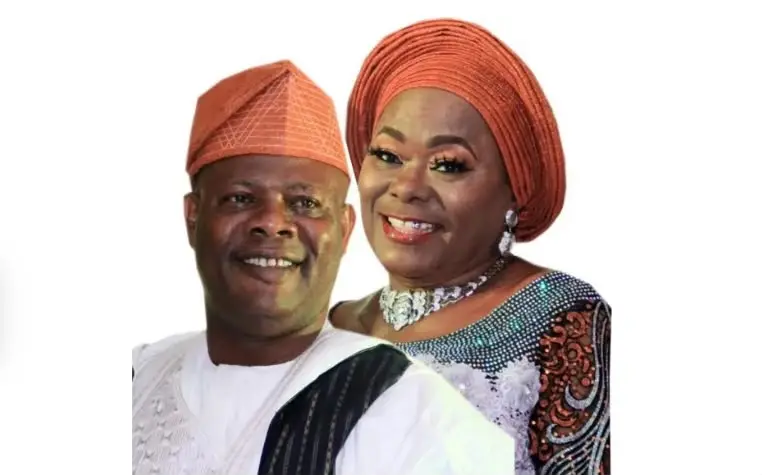
Veteran Nollywood actor Yinka Quadri has revealed that his wife was aware of his romantic relationships with some actresses in the industry and treated them cordially.
The actor made the disclosure in an interview on the Africanalist Podcast, where he spoke about his personal life and marriage.
Quadri said some of the actresses he dated eventually became friends with his wife, Sadiat Adenike Quadri. According to him, the women would sometimes approach her and share gossip about his relationships with other female colleagues, even though they themselves were involved with him.
“It got to a stage, I won’t mention the ladies’ names in the industry. They would become friends with my wife and start giving gossip to my wife that I am dating so so so in the industry,” he said.
He added that jealousy sometimes arose among the women. Some of those he was dating reportedly went to his home out of jealousy, only to find that his wife already knew about the relationships.
“And there were some of them that we were dating who went home out of jealousy. Meanwhile, my wife would say she was aware already and she doesn’t fight them because of that,” Quadri said.
The actor further disclosed that some actresses occasionally spent the night at his house when movie productions ended late. He said his wife knew about the relationships and still provided food and care for them.
“Sometimes when production ends late, they would sleep in my house. And my wife is aware I am dating them, she would still feed them and everything,” he stated.
Quadri has been married to Sadiat since 1989. The couple have children and grandchildren.
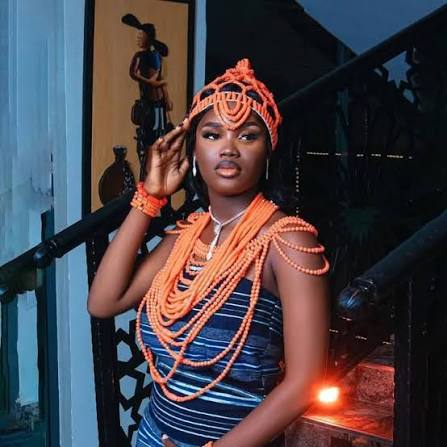
Actress and filmmaker Fisayomi Amodemaja, popularly known as Fisayo Abebi, has urged young actors to build strong personal brands and rely on their talent rather than fame or social media visibility for a sustainable career in Nollywood.
Speaking in an interview with Sunday Scoop, Abebi, who began acting as a child before moving into filmmaking and production, said having a distinct identity was essential for anyone seeking longevity in the industry.
“As an actor, you should have a brand. You should have something that makes you different. Your talent should be able to speak for you wherever your name cannot speak for you,” she said.
She also stressed the need for dedication and readiness to handle the demands of the profession.
“Any young actor coming into the industry has to know that it is time-consuming, and you have to be fully ready to be diligent and ready for the stress,” Abebi added.
The actress reflected on her own experiences, noting that growing up in the spotlight came with pressure, particularly from being recognised for a character she played as a child.
She credited her family and friends with helping her navigate the attention and remain grounded. Her mother, she said, played a key role by helping her understand that she was separate from the character audiences associated her with.
Abebi also spoke about the challenges of combining her acting career with university education, describing it as stressful at times.
“Sometimes I might have to refund or sometimes I might have to go to the set after finishing my exam. So, that can be very stressful,” she said.
She noted that her journey in the industry had taught her to take risks and build confidence in herself.
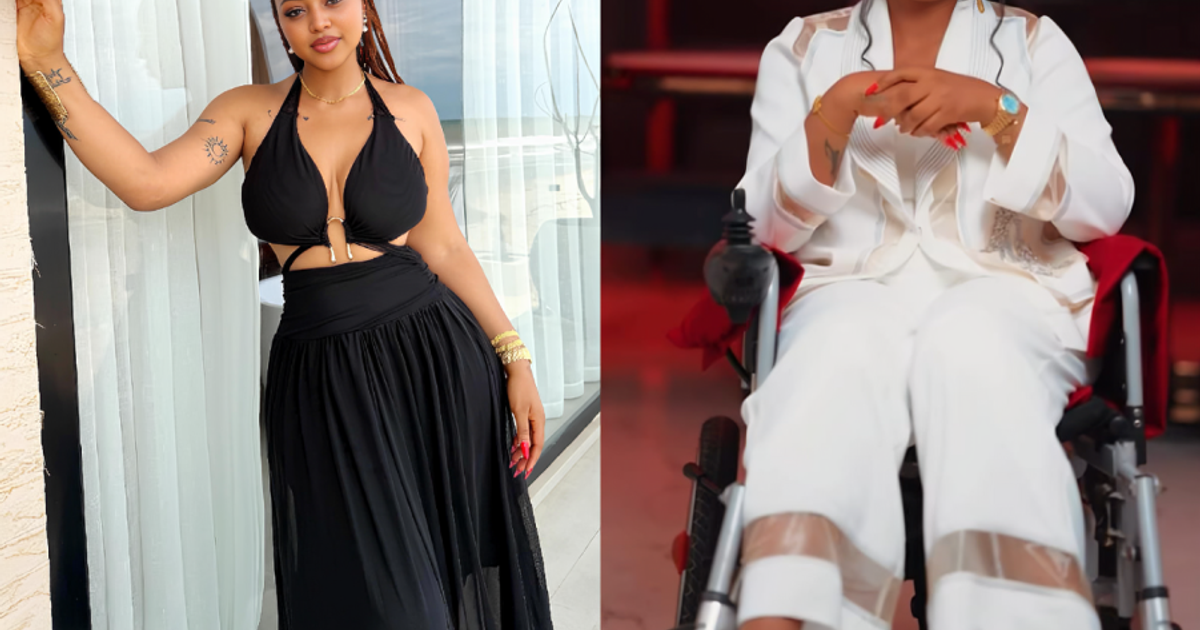
Nollywood actress Regina Daniels has revealed that she spent several months struggling with severe pain and mobility challenges that left her dependent on a wheelchair.
The actress shared the details in a video posted on her Instagram page on Saturday as she marked her 25th birthday, which she described as her “Silver Jubilee.”
Appearing in a wheelchair, Daniels explained that her prolonged absence from social media was due to the health difficulties.
“I know many of you may be surprised seeing me in a wheelchair. Well, welcome to another chapter of my life,” she said.
She stated that the problem began as a minor issue but gradually became more serious, eventually limiting her freedom to move around as she pleased.
“For several months now, I lost my freedom to move around as I please. It started as something minor, very minor, but eventually led to this,” Daniels said.
According to her, the condition took a major turn after the last public gathering she hosted, a Children’s Day carnival. She said she underwent repeated medical tests during the period and joked that she had started calling herself a “lab rat.”
“The pain became excruciating. Sometimes I find myself walking well, and sometimes I just can’t move. I cried,” she added.
Despite the challenges, the actress said there had been significant developments in her recovery, which encouraged her to share the update publicly.
“Well, me sitting here today, in front of this camera, sharing this with y’all, it’s because there’s been some really significant developments in my recovery. And I say, thank you, Lord,” she said.
Daniels did not disclose a specific diagnosis or the nature of the treatment she is receiving. She expressed gratitude to God and prayed for calm as she entered a new phase of her life.


Uzor Arukwe Reveals Why He Is Not a Marriage Advocate

Bisola Aiyeola Says Marriage Is Not Her Life’s Priority

Iyabo Ojo Takes Legal Action Against Lizzy Anjorin


-

 Nollywood4 weeks ago
Ikenga Becomes Highest-Grossing Igbo Film at ₦103.4m
-

 Celebrity news3 weeks ago
Ugo Nwokolo Admits He Was Once a Promiscuous Man
-

 Celebrity news4 weeks ago
Mosun Filani Reveals What Kept Her Away From Nollywood
-
 Nollywood4 weeks ago
Olu Jacobs: Family Fixes October 2 for Funeral
-

 Events4 weeks ago
Hamzat, Kola Adesina, Liakouris to Headline Real Talk With Kike @7
-
 Nollywood3 weeks ago
Nkechi Blessing Suspends Movie Release After Actor Cjay Dies
-

 Celebrity opinion4 weeks ago
Omowunmi Dada: I Want a Husband Who Shares My Christian Faith
-

 Celebrity news3 weeks ago
Bimbo Ademoye Explains Viral Wedding Photos With Timini Egbuson