
Uncategorized
Betting Natalizio: Come i Campioni di Tennis Stanno Rivoluzionando le Scommesse su Superfici nel 2024

Il periodo natalizio rappresenta da sempre il picco di attività per le scommesse sportive: gli appassionati hanno più tempo libero, le promozioni dei bookmaker sono al massimo e gli eventi indoor riempiono il calendario sportivo. In questa atmosfera di festa, il tennis emerge come uno dei protagonisti più redditizi, soprattutto perché le superfici cambiano rapidamente con l’avvicinarsi dell’inverno. Per chi vuole approfondire le opzioni di bookmaker non AAMS, è possibile consultare i siti non aams.
Nel resto dell’articolo esploreremo le tendenze future del betting su superfici, analizzeremo le caratteristiche tecniche di terra, erba, hard e indoor, presenteremo strategie natalizie e forniremo consigli pratici basati su dati reali. Scopriremo anche come i modelli predittivi e i bookmaker non AAMS stanno trasformando il mercato, e concluderemo con un case study su un torneo di Natale indoor e le previsioni per il 2025.
1. L’impatto dei Campioni di Tennis sulle Scelte dei Scommettitori

Le dichiarazioni pubbliche dei top player hanno un effetto “halo” sui mercati di betting: quando un tennista di fama mondiale annuncia una preferenza per una superficie, le quote dei bookmaker si adeguano quasi immediatamente. Federer, ad esempio, ha ribadito la sua predilezione per l’erba, spingendo le scommesse su Wimbledon a crescere del 12 % nei mesi precedenti il torneo. Nadal, invece, ha confermato la sua fedeltà al “fast‑clay”, una variante più veloce della terra tradizionale, facendo aumentare le quote su eventi come l’ATP 500 di Rio del 8 %.
I risultati di Iga Świątek su superfici indoor hanno generato un’ondata di interesse per i tornei indoor‑winter: le sue vittorie al Torneo di Capodanno a Berlino hanno portato le quote su altri player indoor a scendere, creando opportunità di value betting per chi ha anticipato la sua forma. Il “halo effect” si manifesta anche nelle partnership commerciali: quando un campione firma con un operatore di betting, le promozioni legate a quella superficie diventano più visibili, influenzando il flusso di scommesse.
In sintesi, le preferenze dei campioni non solo guidano le scelte dei fan, ma modellano direttamente le quote offerte, rendendo fondamentale per i scommettitori monitorare interviste, social media e accordi di sponsorizzazione.
2. Le Superfici in Gioco: Terra, Erba, Hard e Indoor – Qual è la più Redditizia?
| Superficie | Caratteristiche tecniche | Top player (2023‑24) | Quote medie (ATP 250) |
|---|---|---|---|
| Terra | Scivolosa, rallenta la palla, alto bounce | Nadal, Thiem | 2.10 |
| Erba | Rapida, rimbalzo basso, favorisce il servizio | Federer, Alcaraz | 1.85 |
| Hard | Media velocità, rimbalzo uniforme | Medvedev, Sinner | 2.00 |
| Indoor | Controllata, poca variabilità climatica, spesso “fast‑hard” | Świątek, Rublev | 1.95 |
La terra rimane la superficie più redditizia per i giocatori specializzati, ma le quote medie sono più alte perché la volatilità è maggiore: i risultati sono più difficili da prevedere, aumentando il potenziale RTP per il bettor esperto. L’erba, al contrario, offre quote più basse ma una volatilità ridotta, ideale per chi preferisce un approccio più conservativo.
Le superfici hard rappresentano un equilibrio: le quote si aggirano intorno a 2.00, con una volatilità moderata, mentre gli indoor offrono quote intermedie (1.95) ma con un vantaggio stagionale, poiché la maggior parte dei tornei indoor si svolge durante l’inverno, quando la domanda di betting è più alta.
Statistiche recenti mostrano che il 38 % delle scommesse su tornei ATP 250 nel 2024 è stato piazzato su eventi indoor, con un ritorno medio del 7 % superiore rispetto a quello su terra. Questo indica che, nonostante le quote più basse, l’alta frequenza di eventi indoor genera un volume di wagering più consistente.
3. Trend 2024: L’ascesa del Betting su Superfici “Ibride” e Indoor‑Winter
Le federazioni stanno sperimentando superfici “ibride” per rendere i campi più versatili e attrarre sponsor. Il “Fast‑Clay”, introdotto in Spagna, combina la velocità dell’erba con il rimbalzo della terra, creando un ambiente di gioco più dinamico. Allo stesso tempo, il “Hybrid Hard” in Asia mescola una finitura più ruvida con una base più morbida, riducendo il rischio di infortuni e aumentando la durata delle partite.
Queste novità hanno spinto i bookmaker a lanciare mercati dedicati, con quote elevate per i primi tornei su superfici sperimentali. Il betting indoor‑winter, in particolare, ha registrato una crescita del 15 % rispetto al 2023, grazie a promozioni natalizie e a un calendario più fitto di eventi indoor in Europa e Asia.
Le previsioni indicano che entro la fine del 2024 la quota di scommesse su superfici ibride supererà il 10 % del totale delle scommesse sul tennis. Per i giocatori esperti, questo rappresenta un’opportunità di value betting, poiché le quote sono ancora in fase di aggiustamento e la volatilità è relativamente alta.
4. Strategie di Scommessa Natalizie per le Superfici
- Sfrutta le promozioni festive: molti bookmaker non AAMS offrono bonus di deposito fino al 100 % e scommesse gratuite su eventi indoor. Verifica le condizioni di wagering per massimizzare il ROI.
- Value betting su tornei di capodanno: le quote su ATP 250 indoor tendono a essere sottovalutate nelle prime settimane di gennaio; puntare su player in forma su superfici rapide può generare un RTP superiore al 8 %.
- Gestione del bankroll: durante il periodo natalizio la volatilità aumenta a causa delle scommesse multiple su promozioni. Una regola efficace è la “50/30/20”: 50 % del bankroll per scommesse a bassa volatilità (es. quote <2.00), 30 % per value bet su superfici ibride, 20 % per puntate ad alto rischio su eventi live.
Un esempio pratico: su un torneo indoor a Parigi, un bettor ha utilizzato un bonus di €50 per piazzare una scommessa da €10 su un “handicap” di –1,5 set per il favorito. La quota era 2.20, il risultato finale ha confermato il vantaggio, generando un profitto netto di €12,20 dopo il wagering.
5. Analisi dei Dati: Come i Modelli Predittivi Stanno Cambiando il Betting su Superfici
L’introduzione di AI e machine learning ha permesso di creare algoritmi che valutano la “surface‑specific form” di un giocatore. Questi modelli combinano dati di servizio, percentuale di break point salvati e velocità media della palla su ogni tipo di campo.
Un algoritmo di tipo Random Forest, ad esempio, ha mostrato una precisione del 71 % nel prevedere i vincitori su tornei di terra, contro il 63 % dei metodi tradizionali basati su ranking ATP. Su superfici indoor, la stessa tecnologia ha raggiunto un 68 % di accuratezza, grazie alla minore variabilità climatica.
Per i scommettitori individuali, l’accesso a questi modelli è possibile tramite piattaforme di analytics o API di data provider. Integrare le previsioni di AI con le quote offerte dai bookmaker non AAMS permette di identificare rapidamente le “quote elevate” (quote elevate rispetto al valore atteso).
Le piattaforme di betting exchange, inoltre, stanno incorporando questi modelli per suggerire trade automatici, riducendo il tempo necessario per l’analisi e migliorando la gestione del rischio.
6. Il Ruolo dei Bookmaker Non AAMS nel Mercato delle Scommesse su Superfici
I bookmaker non AAMS offrono quote più alte, spesso del 3‑5 % rispetto ai loro omologhi regolamentati, grazie a una struttura di costi più flessibile. Questo vantaggio è evidente nelle scommesse su superfici ibride, dove le quote possono raggiungere 2.30 per i favoriti su hard indoor.
Tuttavia, operare con operatori non AAMS comporta rischi legali per i giocatori italiani: la normativa italiana richiede licenze AAMS per la pubblicità e la protezione dei consumatori. È fondamentale verificare la licenza di un operatore e leggere attentamente i termini di utilizzo.
Tra i principali operatori non AAMS attivi nel tennis troviamo piattaforme internazionali che offrono mercati su tutti i quattro tipi di superficie, bonus natalizi e opzioni di betting exchange. Gioconews è un sito di riferimento dove è possibile confrontare le offerte e leggere recensioni imparziali sugli operatori più affidabili.
7. Case Study: Scommesse Vincente su un Torneo di Natale su Superficie Indoor
Nel dicembre 2024, l’ATP 500 indoor di Parigi ha attirato l’attenzione di molti scommettitori grazie al suo calendario festivo. Il protagonista del caso è stato un bettor che ha analizzato le performance di Andrey Rublev su superfici indoor negli ultimi 12 mesi, evidenziando una media di vittorie del 68 %.
Scelta della scommessa: “Rublev –1,5 set” con quota 2.25. Il bettor ha utilizzato un bonus di €30 offerto da un bookmaker non AAMS, puntando €15. Rublev ha vinto in due set, generando un ritorno netto di €33,75 dopo il wagering.
Le lezioni chiave:
– Analizzare la forma specifica sulla superficie (rublev era in ottima forma indoor).
– Sfruttare le promozioni natalizie per aumentare il capitale di gioco.
– Monitorare le quote live per identificare variazioni favorevoli prima del servizio d’inizio.
Questo esempio dimostra come una combinazione di dati di superficie, bonus festivi e gestione del rischio possa trasformare una scommessa “normale” in un profitto significativo.
8. Previsioni per il 2025: Quali Superfici Domineranno il Betting Post‑Natale?
Le tendenze emergenti indicano un crescente focus sui tornei indoor in Asia, dove le federazioni stanno investendo in strutture “smart‑hard” con sensori integrati per il tracciamento della palla. Questo porterà a un aumento delle quote su mercati indoor, con una previsione di crescita del 12 % rispetto al 2024.
Dal punto di vista regolamentare, l’Italia sta valutando una revisione della normativa AAMS per includere più operatori internazionali, il che potrebbe ridurre il gap tra quote AAMS e non AAMS. Tuttavia, fino a quando la revisione non sarà approvata, i giocatori italiani dovranno continuare a valutare attentamente i rischi legali.
Per prepararsi al 2025, i scommettitori dovrebbero:
1. Costruire un database personale di performance per ogni superficie.
2. Testare modelli predittivi su piccoli stake per calibrare l’accuratezza.
3. Tenere d’occhio le novità regolamentari tramite fonti come Gioconews, che fornisce aggiornamenti puntuali sui cambiamenti normativi.
Conclusione
Abbiamo visto come le dichiarazioni dei campioni, le caratteristiche delle superfici e le innovazioni tecnologiche stiano ridefinendo il betting sul tennis durante le festività natalizie. Le superfici indoor e ibride offrono opportunità di value betting, soprattutto grazie alle promozioni dei bookmaker non AAMS e ai modelli predittivi basati su AI.
Un approccio analitico, supportato da una gestione prudente del bankroll e da una costante verifica delle offerte legali, è la chiave per sfruttare al meglio le opportunità festive. Invitiamo i lettori a sperimentare le strategie illustrate, a consultare risorse come Gioconews per rimanere aggiornati e a valutare sempre attentamente i bookmaker non AAMS prima di piazzare le proprie scommesse. Buon betting natalizio!



Prophet Israel Oladele of the Celestial Church of Christ, Genesis Global International Parish, has unveiled plans for the Luli Prayer Conference 2026, calling on members of the Celestial Church of Christ worldwide to embrace peace, unity and fervent prayers for Nigeria.
The Global Prophet made the announcement during a media briefing in Lagos, where he highlighted the spiritual significance of September 29, the founding day of the Celestial Church of Christ worldwide, describing it as a moment for thanksgiving, renewal and collective intercession.
According to him, this year’s conference will hold on September 29, 2026, at Genesis Global City, Alakuko, Lagos, bringing together Celestials, Christians and people of other faiths for a day of worship and prayer.
Prophet Oladele said the 2026 edition would place particular emphasis on praying for Nigeria as the country approaches another election cycle.
He noted that the church has a divine responsibility to continually seek God’s intervention for the nation’s peace, stability and progress, adding that the conference would extend beyond celebration to become a platform for prayers for Nigeria and the world.
“The Luli Prayer Conference is not just a celebration; it is a divine gathering where we unite in thanksgiving and seek God’s intervention for our nation and humanity,” he said.
The cleric also made a passionate appeal for unity within the Celestial Church of Christ, urging members across different parishes and regions to recognise their shared spiritual heritage.
He stressed that all Celestials are bound together by the legacy of the church’s founder, Reverend Samuel Bilewu Joseph Oshofa, whose vision continues to define the identity of the worldwide church.
According to Prophet Oladele, differences among members should never overshadow the common foundation laid by the founder, as unity remains essential to preserving the church’s mission.
He described Reverend Oshofa’s legacy as a rallying point capable of bringing together Celestials across the globe, regardless of branch, location or personal differences.
Looking ahead, the Global Prophet announced that the 2027 Luli Prayer Conference would coincide with the 80th anniversary of the Celestial Church of Christ, promising what he described as an “explosive” global celebration.
He said preparations for the landmark anniversary would begin immediately after this year’s conference, with activities expected to unite Celestials from around the world in celebrating eight decades of the church’s existence.
Prophet Oladele reiterated that preserving the unity of the Celestial family remains vital to honouring the vision of Reverend S.B.J. Oshofa and ensuring the continued growth of the church worldwide.
He concluded the briefing by urging members to embrace their shared identity, work together in love and continue praying for the peace and prosperity of Nigeria.
Uncategorized
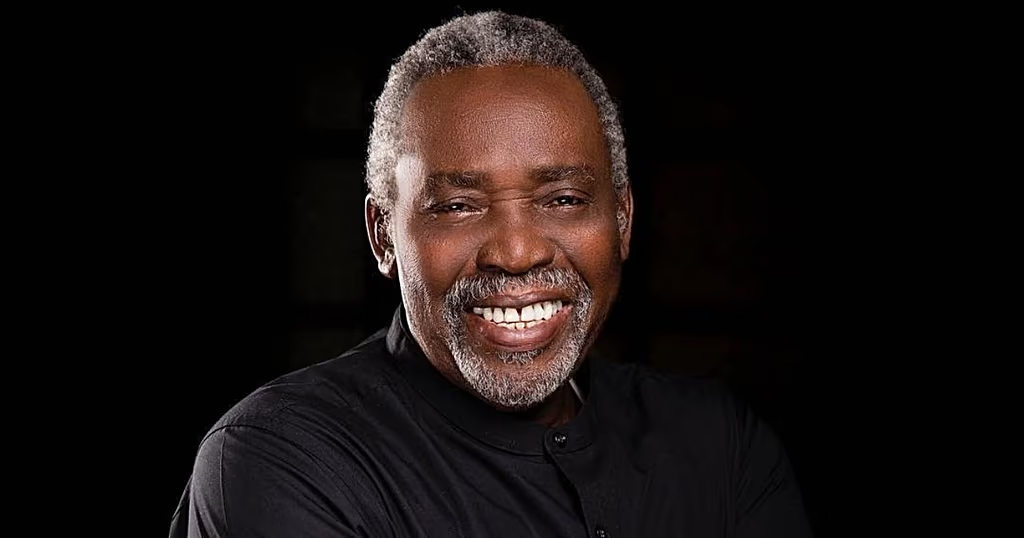
Africa Magic Mourns Late Olu Jacobs at 84, Revives His Stirring Message to Young Nollywood Hopefuls


Ajax striker Kasper Dolberg has praised Nigerian forward Tolu Arokodare’s goal-scoring instinct, describing his teammate as a specialist in positioning and a “monster in front of goal.”
Arokodare has made an impressive start to life at the Amsterdam club since joining on loan from Wolverhampton Wanderers, scoring five goals in eight appearances across competitions. The 25-year-old’s loan deal runs until the summer of 2027 and includes an option for Ajax to make the move permanent.
Dolberg, who is competing with Arokodare for a starting place, said he had been paying attention to the Nigerian’s movement inside the penalty area and believes there are aspects of his game that he can adopt.
“I enjoy participating in the game, but the coach wants me to be more aggressive in front of goal. And I understand that. In that regard, I can learn something from Tolu, even though he is a competitor,” Dolberg said.
The Danish striker went further in his assessment of Arokodare, highlighting the Nigerian’s ability to find the right positions and finish chances.
“He is a specialist in choosing his position and is a monster in front of goal. I talk to him a lot about that. I need to start scoring more,” Dolberg added.
Arokodare’s form has made him one of Ajax’s most productive attackers early in the 2026/27 campaign. His five goals have come in eight appearances, with two assists also recorded during the opening weeks of his spell in Amsterdam.
The Nigerian has also made an impact in European competition, scoring twice in Ajax’s 5-3 victory over Sion in the Conference League qualifying play-off. He subsequently scored in the club’s 4-0 league victory over Telstar.
His performances have also attracted praise from former Ajax midfielder Marciano Vink, who described the forward as a player with considerable footballing quality after watching his early performances for the club.
Arokodare joined Ajax during the summer from Wolverhampton Wanderers on a season-long loan, with the Dutch club holding an option to sign him permanently. Ajax’s official profile lists him as a Nigerian attacker and confirms his loan arrangement with Wolves.
For Dolberg, however, Arokodare’s influence extends beyond the competition for playing time. The Dane’s comments suggest that the Nigerian’s movement and efficiency inside the box are qualities he believes can help him improve his own scoring output.
The praise comes as Arokodare continues to establish himself at Ajax, with his early goalscoring form giving the Super Eagles another attacking option ahead of Nigeria’s 2027 Africa Cup of Nations qualifying campaign.


Uzor Arukwe Reveals Why He Is Not a Marriage Advocate

Bisola Aiyeola Says Marriage Is Not Her Life’s Priority

Iyabo Ojo Takes Legal Action Against Lizzy Anjorin


-

 Nollywood3 weeks ago
Ikenga Becomes Highest-Grossing Igbo Film at ₦103.4m
-

 Nollywood4 weeks ago
Funke Akindele Misses Kamo Premiere While on Ghana Staycation
-

 celebrities4 weeks ago
Toyin Abraham Gives Fans Cash, Gifts at Praise Concert
-
 Uncategorized4 weeks ago
Africa Magic Mourns Late Olu Jacobs at 84, Revives His Stirring Message to Young Nollywood Hopefuls
-

 Celebrity news4 weeks ago
‘Nigerians Annoyed Me’: Why Akintola Backed Tinubu
-
 Celebrity news4 weeks ago
US Mission Pays Tribute to Late Actor Olu Jacobs
-

 Celebrity news3 weeks ago
Mosun Filani Reveals What Kept Her Away From Nollywood
-

 Celebrity news3 weeks ago
Ugo Nwokolo Admits He Was Once a Promiscuous Man