
National Development
FESCA Calls for Culture Change to Tackle Nigeria’s Ethical Crisis

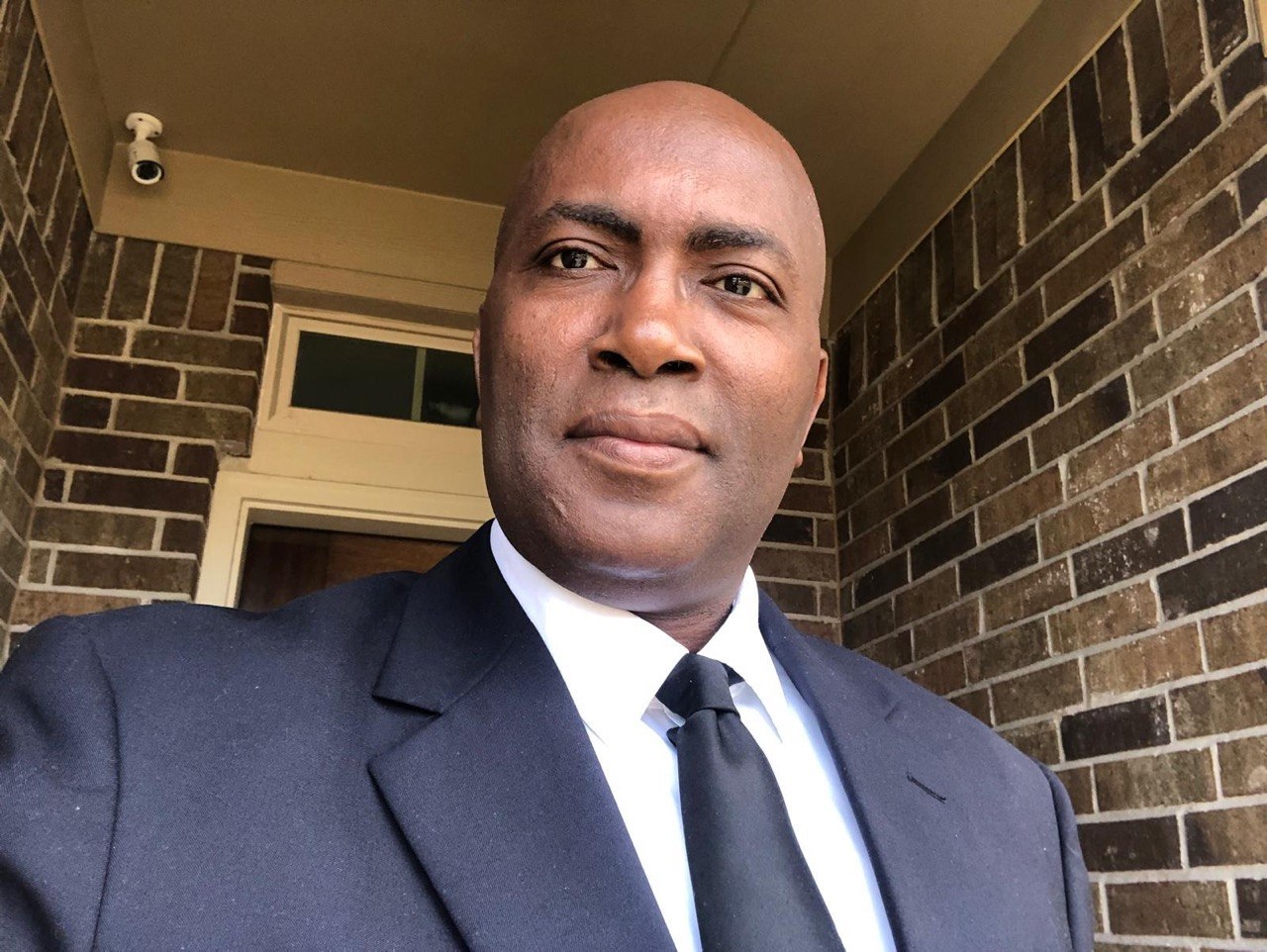
The Foundation for Ethical Society and Cultural Awareness has called for a deliberate change in Nigeria’s social values and ethical standards, arguing that sustainable national development cannot be achieved through political and institutional reforms alone.
The foundation’s President, Nosa Osaikhuiwu, made the call in a public lecture titled, “Culture Change: The Foundation for Ethical Transformation, Good Governance, and Sustainable National Development,” delivered as part of activities marking Nigeria’s 66th Independence Anniversary.

FESCA, which describes itself as a non-political and non-partisan organisation, has consistently advocated a bottom-up approach to national renewal, with emphasis on integrity, accountability, civic responsibility and ethical leadership.
Osaikhuiwu said Nigeria’s persistent challenges, including corruption, insecurity, unemployment, poor governance and declining public trust, should not be viewed solely through the lens of political leadership or government policies.
According to him, greed, unethical behaviour and a lack of accountability are among the deeper problems that continue to undermine national development.
He argued that while leadership, legislation, institutional reforms, constitutional changes and economic policies remain important, they would have limited impact if the values and behaviours of citizens remained unchanged.
Osaikhuiwu said leaders emerge from society and are influenced by the values promoted in homes, schools, religious institutions, communities and professional environments.
He therefore argued that efforts to produce ethical leadership must begin with the cultivation of ethical citizenship.
“Good governance begins with good citizens,” he said, stressing that Nigerians seeking better leadership must also examine the values and behaviours tolerated within society.
The FESCA president said culture goes beyond language, food, music, clothing and traditional practices, describing it as the collection of values, beliefs, attitudes, habits and expectations that influence how people behave.
He said a society’s unwritten rules could sometimes have a stronger influence on behaviour than formal laws, particularly when unethical conduct becomes normalised or socially tolerated.
According to him, corruption should not only be viewed as the diversion of public funds, but as part of a wider ethical problem in which personal interest is placed above public responsibility.
He cited practices such as examination malpractice, bribery, tax evasion, contract inflation, nepotism, favouritism and abuse of public office as examples of behaviours that require both institutional sanctions and deeper cultural intervention.
Osaikhuiwu said the question should therefore go beyond how wrongdoing could be punished to how Nigeria could build a society where unethical conduct becomes socially and morally unacceptable.
He maintained that laws and institutions remained essential but could not, on their own, produce an ethical society.
“Laws regulate behaviour externally, while culture influences behaviour internally,” he said, arguing that the fear of punishment could influence conduct temporarily, while deeply rooted character could guide behaviour even when there was no external supervision.
He called for a combination of strong institutions and strong personal character, saying Nigeria needed systems capable of punishing misconduct as well as citizens who developed the moral conviction to reject wrongdoing.
FESCA’s proposed approach follows a bottom-up model of transformation involving the individual, family, school, community, institution, government and, ultimately, the nation.
Osaikhuiwu said families should teach honesty and responsibility, schools should place character alongside academic excellence, religious institutions should reinforce ethical conduct, businesses should promote transparency and professionalism, and communities should recognise people who demonstrate integrity.
He described the approach as the “Boiling Water Theory,” under which ethical values are consistently introduced and reinforced from the grassroots until they reach a critical mass capable of influencing wider society.
The foundation also used the lecture to announce the formation of the Ethics and Integrity Brigade Corps (EIBC) in participating schools.
Osaikhuiwu said the initiative would serve as an ethical and leadership platform for young Nigerians, with emphasis on integrity, civic consciousness, discipline, leadership and responsible citizenship.
He said the objective was not simply to establish another student organisation but to develop young people who understand leadership as responsibility, service and accountability rather than position or privilege.
Several secondary schools participated in the virtual lecture, including St. Malachy’s College, Sapele; St. Ita’s Girls’ College, Sapele; Leadership Academy, Owo; and Evbosa Achievers School, Benin City.
Addressing the students, Osaikhuiwu urged them to take their education seriously while avoiding examination malpractice and other shortcuts.
He said academic qualifications obtained dishonestly could not substitute for character, urging young Nigerians to pursue excellence without compromising integrity.
“Nigeria does not merely need qualified people. Nigeria needs people of character,” he said.
The FESCA president also called for a stronger culture of merit, arguing that competence and hard work should not be sacrificed for political connections, ethnicity, religious affiliation, friendship or family ties.
He linked merit to national development, saying a system that rewards competence can encourage productivity, while one that consistently rewards connections can promote frustration and institutional decline.
Osaikhuiwu also called for a broader understanding of patriotism, saying it should be reflected in citizens’ everyday conduct rather than limited to national ceremonies and symbols.
He urged Nigerians to protect public property, respect the law, reject corruption and place the national interest above narrow ethnic, religious, regional and personal interests.
The lecture further emphasised the role of families, schools, religious institutions, businesses, civil society organisations, traditional institutions and government in driving cultural transformation.
According to Osaikhuiwu, culture change should not be outsourced to government because every sector of society contributes to the values that ultimately shape national institutions.
FESCA said its proposed interventions would extend beyond public lectures and advocacy.
The organisation plans to establish the Ethics and Integrity Brigade Corps in participating schools, publish educational materials, organise seminars and symposia, produce films and documentaries on ethical issues, and engage faith institutions in promoting accountability, restitution and responsible citizenship.
The foundation also plans to challenge what it describes as the culture of “Oga Abeg,” which it says can encourage favouritism, circumvention of rules and impunity.
FESCA said these initiatives are intended to complement, rather than replace, institutional reforms.
Osaikhuiwu said Nigeria’s transformation could not be left to politicians or government agencies alone, stressing that citizens also had responsibilities in determining the country’s future.
He asked Nigerians to consider whether the country could build institutions that serve the public interest, raise children who value character alongside achievement, redefine success around integrity and service, and make choices that place the national interest above personal gain.
He said the answers to those questions would influence the kind of Nigeria future generations inherit.
The lecture concluded with a call for Nigerians to embrace integrity, accountability, merit, discipline, patriotism and responsible citizenship as part of a broader national ethical renewal.
Osaikhuiwu said the transformation should begin at the grassroots, with individuals, families, schools and communities taking responsibility for the values they promote.
FESCA has previously stated that its mission is to promote ethical transformation and cultural awareness through education, advocacy and community engagement, with the goal of building a society rooted in ethical values and responsible citizenship.
The foundation’s inaugural public lecture was held virtually on October 1, 2026, with the organisation describing the event as part of its wider campaign for ethical transformation and sustainable national development.











Uzor Arukwe Reveals Why He Is Not a Marriage Advocate

Bisola Aiyeola Says Marriage Is Not Her Life’s Priority

Iyabo Ojo Takes Legal Action Against Lizzy Anjorin


-

 Nollywood4 weeks ago
Ikenga Becomes Highest-Grossing Igbo Film at ₦103.4m
-

 Nollywood4 weeks ago
Funke Akindele Misses Kamo Premiere While on Ghana Staycation
-

 celebrities4 weeks ago
Toyin Abraham Gives Fans Cash, Gifts at Praise Concert
-

 Celebrity news4 weeks ago
‘Nigerians Annoyed Me’: Why Akintola Backed Tinubu
-
 Celebrity news4 weeks ago
US Mission Pays Tribute to Late Actor Olu Jacobs
-

 Celebrity news4 weeks ago
Mosun Filani Reveals What Kept Her Away From Nollywood
-

 Celebrity news3 weeks ago
Ugo Nwokolo Admits He Was Once a Promiscuous Man
-
 Nollywood4 weeks ago
Olu Jacobs: Family Fixes October 2 for Funeral