
Celebrity opinion
Olaide Olabanji Laments N1,000’s Falling Buying Power


Olaide Olabanji N1,000 concerns highlight the falling purchasing power of Nigeria’s highest denomination amid rising fuel and cooking gas costs
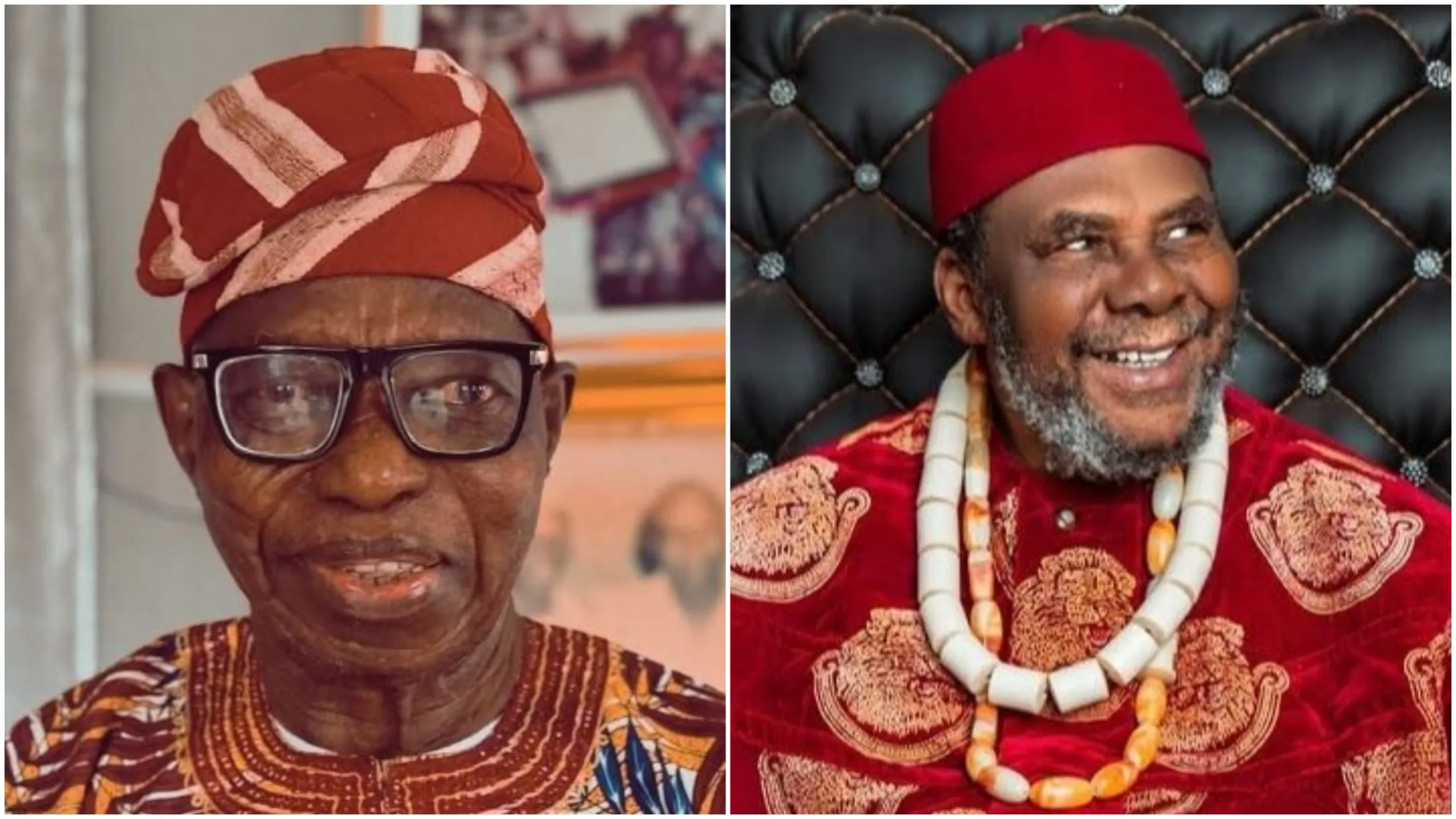
Olaide Olabanji, veteran Nollywood filmmaker and founder of LAIBAN Movie Production, on Wednesday, August 26, 2026, in Nigeria, raised concerns over the declining purchasing power of the N1,000 note, saying the country’s highest denomination can no longer buy a litre of petrol or a kilogramme of cooking gas.
Also read: Mercy Johnson, Husband Celebrate 15 Years of Love
Olabanji, who has been vocal about economic and governance issues, expressed his concerns in an Instagram video as Nigerians continue to contend with elevated living costs.

“Your highest money N1,000 cannot buy 1kg of gas. Your highest currency cannot buy you one liter of petrol. Something is definitely wrong with Nigeria. So sad,” he said.
His comments draw attention to the everyday impact of inflation, particularly the way rising prices have reduced the value of cash in routine household transactions.
The N1,000 note was introduced into circulation on October 12, 2005, during the administration of former President Olusegun Obasanjo.
At the time, the official exchange rate was about N132 to the US dollar, putting the value of the note at roughly $7.58.
Two decades later, the economic environment is markedly different. A report attributed to Quartus Economics says the N1,000 note has lost more than 94 per cent of its purchasing power since its introduction.
The decline has been particularly visible in the energy market. Petrol prices have risen substantially from the levels Nigerians were accustomed to before the removal of the petrol subsidy in 2023, while the cost of cooking gas has also increased significantly.
For many households, the consequences extend beyond the price of individual products.
Higher energy costs feed into transportation, food production, distribution and other basic expenses, placing additional pressure on household budgets.
Olabanji’s intervention reflects a broader public debate about the strength of the naira and the rising cost of living.
While the government has introduced economic reforms intended to stabilise the economy and attract investment, the transition has also brought significant short-term pressures for households and businesses.
The filmmaker’s powerful comparison therefore centres on a simple measure of purchasing power: what the country’s largest widely circulated banknote can actually buy.
Also read: Mercy Johnson, Husband Celebrate 15 Years of Love
For Olabanji, the shrinking value of the N1,000 note is more than a monetary issue. It is a visible indication of the economic strain experienced by ordinary Nigerians in their daily lives.














Ngozi Ezeonu Warns Nigerians About Fake Medicine, Baby Food

Niyi Ralph Says Obidients Still Hurt Over Tinubu’s Win

Damilola Adegbite Urges Women to Choose the Right Partner


-

 Celebrity news4 weeks ago
RMD Endorses Kamo State’s Star Lomo Despite Criticism
-

 Nollywood4 weeks ago
Itele’s Koleoso Sets Stunning 141.6m YouTube Record
-
 Celebrity news3 weeks ago
Nollywood showers love on Patience Ozokwor at 68
-

 Celebrity news3 weeks ago
Patience Ozokwo Asks Fans to Pray After Turning 68
-

 celebrities4 weeks ago
Eniola Badmus Celebrates 44th Birthday With Gratitude
-

 Celebrity news3 weeks ago
Adunni Ade Says Christian Fans Unfollowed Over Faith
-

 celebrities4 weeks ago
Stella Damasus Sets Firm Standards for Daughter’s Future Partner
-

 Celebrity news4 weeks ago
Stan Nze, Blessing Obasi Renew Vows on Fifth Anniversary